
Pudu PUDU T300 Conveyor-S (PUDU T300 Conveyor-S)
In stock
- BRAND:
- PUDU ROBOTICS
- PART #:
- PUDU T300 Conveyor-S
- ORIGIN:
- China
- AVAILABILITY:
- SUBJECT TO AVAILABILITY
- SKU:
- Pudu-PUDU-T300-Conveyor-S
Pudu PUDU T300 Conveyor-S (PUDU T300 Conveyor-S)
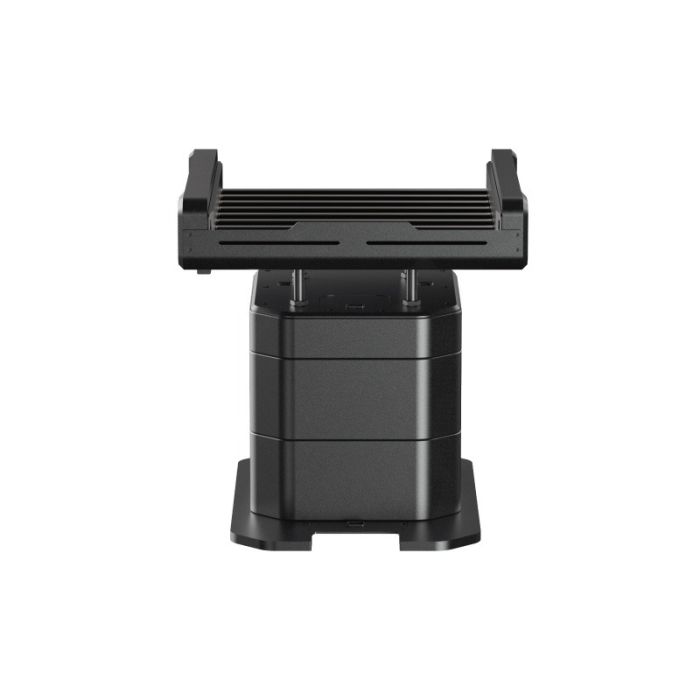
Bolting a conveyor to the floor is a bet on a layout. It pays off as long as the line stays put, and it starts costing money the day a cell moves, a new product arrives or a staging area gets reorganized. The PUDU T300 Conveyor-S offers a way to hedge that bet. It combines a T300 transport robot with a self-powered roller system that, according to the manufacturer's published material, is designed to integrate with automated conveyor lines and other material handling equipment. Instead of extending steel across the building, you dispatch a robot that receives the load at one station, drives it across the floor and rolls it off at the next.
Robots USA sells the PUDU T300 Conveyor-S and supplies it to manufacturing plants, warehouses and commercial facilities across its market. Our team quotes every unit individually, checks the configuration against the current PUDU datasheet before an order is placed, and coordinates delivery, setup guidance and ongoing support directly with your site.
Background
PUDU ROBOTICS and the T300 lineup
PUDU ROBOTICS built its reputation on autonomous robots for service environments such as restaurants, hotels and commercial buildings, and its catalog spans delivery and cleaning machines. The T300 series takes that autonomy into material transport. The manufacturer describes the series as a lineup made up of Standard, Lifting, Conveyor, Tray and Towing versions, aimed at material delivery in industrial settings and heavy-load delivery in commercial environments. All of them share the T300 name; what changes is the top module, and with it the way goods get on and off the robot.
Roller transfer and line communication
On the Conveyor version, that top module is a powered roller deck. Per the published specification, the rollers are self-powered, which means the robot can move a load onto or off its own deck when docked at compatible equipment rather than waiting for a person or a separate pusher. The series material also mentions integrated PLC communication for automated pickup and delivery notifications, the kind of signal exchange that lets a fixed line know a robot has arrived and is ready to receive. That feature is stated at the T300 series level; the specific connectivity interfaces for the Conveyor version have not been published and are confirmed at quotation.
Technical Specifications
| Specification | T300 Conveyor Single Layer Version | T300 Conveyor Double Layer Version |
|---|---|---|
| Number of layers | 1 | 2 |
| Machine weight | 265 lbs (120 kg) | 397 lbs (180 kg) |
| Rated load per layer | 176 lbs/layer, 80 kg/layer | 176 lbs/layer, 80 kg/layer |
| Run-time (no load) | 12 h | 10 h |
| Run-time (full load) | 10 h | 8 h |
| Charging time | 2 h (0-90%) | 2 h (0-90%) |
| Maximum speed | 3.9 ft/s (1.2 m/s) | 3.9 ft/s (1.2 m/s) |
| Path clearance | 29.5 in (75 cm) | 29.5 in (75 cm) |
| Docking accuracy | ±0.4 in (±10 mm), ±1° | ±0.4 in (±10 mm), ±1° |
| Conveyor depth | 25.6 in (650 mm) | 25.6 in (650 mm) |
| Conveyor width | 4.7–21.3 in (120-540 mm) adjustable | 4.7–21.3 in (120-540 mm) adjustable |
| Conveyor height | Ground clearance ≥ 12 in (305mm) | Ground clearance ≥ 12 in (305mm) |
| Battery capacity | Not published; confirmed at quotation | |
| Roller load rating | Not published; confirmed at quotation | Not published; confirmed at quotation |
| Operating temperature range | Not published; confirmed at quotation | Not published; confirmed at quotation |
| IP rating | Not published; confirmed at quotation | Not published; confirmed at quotation |
| Connectivity interfaces | Not published; confirmed at quotation | Not published; confirmed at quotation |
| What is in the box | Not published; confirmed at quotation | Not published; confirmed at quotation |
All figures are reported from a single published specification and are confirmed against the current manufacturer datasheet at quotation.
How does the T300 Conveyor differ from the other T300 versions?
The difference is the handoff. On a carrier-style robot, the trip ends when someone walks over and unloads it. On the T300 Conveyor, the trip is designed to end with the load rolling off under the robot's own power, which only works if the robot arrives exactly where the receiving equipment expects it. That is why the published docking accuracy of ±0.4 in (±10 mm), ±1° matters as much as speed here: a roller transfer tolerates very little misalignment. The adjustable conveyor width of 4.7–21.3 in (120-540 mm), as reported, and the stated ground clearance of at least 12 in (305mm) are the figures to compare against your existing line heights and tote sizes before anything else.
One caution on navigation: the published navigation methods, VSLAM & Lidar SLAM, are listed for the T300 Standard. The source does not restate them for the Conveyor version, so Robots USA confirms the navigation stack for this configuration at quotation.
Single Layer or Double Layer: which T300 Conveyor version fits?
The published data describes two conveyor builds with the same rated load per layer, 176 lbs/layer, 80 kg/layer. The double layer version doubles the decks and therefore the number of loads per trip, at the cost of a heavier machine, reported at 397 lbs (180 kg) against 265 lbs (180 kg is the double, 120 kg the single), and shorter endurance: 10 h with no load and 8 h at full load, compared with 12 h and 10 h for the single layer version. Both are listed with a 2 h charge to 90%.
In practice, the single layer version suits routes where one load per trip keeps pace with production and long shifts matter. The double layer version earns its place where stations are far apart and carrying two loads per run cuts the number of trips. Note that PUDU has not published what the "S" in Conveyor-S denotes, so the exact layer configuration of this listing is confirmed at quotation.
Who is the PUDU T300 Conveyor-S for?
The clearest fit is a manufacturing or distribution site that already runs powered conveyors and still moves totes between them by hand or by cart. Production engineers who want to link a packing cell to an outbound line, or a machining area to inspection, without laying permanent track will find the roller transfer concept directly relevant. Facilities that rearrange their floor regularly, such as contract manufacturers and seasonal fulfillment operations, gain from a link that can be reprogrammed rather than rebuilt. Integrators planning PLC-driven workflows will want to review the series-level PLC notification feature with us early in the project.
If your loads are picked up and handed off by people rather than equipment, another T300 version such as the Tray, Lifting or Towing build may be a better match; their specifications are confirmed with Robots USA at quotation. For the wider range of PUDU machines we carry, see the Pudu category.
What is the PUDU T300 Conveyor-S used for?
- Line-to-line transfer: moving totes from the end of one conveyor to the start of another across open floor.
- Cell-to-inspection runs: carrying finished parts from a production cell to a quality station without manual lifting.
- Packing to outbound: linking packing stations to shipping or palletizing lines in a warehouse.
- Buffer replenishment: feeding staging conveyors with components as the line calls for them.
- Flexible layouts: connecting equipment in areas where permanent conveyor would block aisles or forklift traffic.
- Line-to-person handoff: delivering loads to a manual workstation where an operator takes over.
Pricing and Availability
Robots USA prices the PUDU T300 Conveyor-S by quotation, because the right configuration depends on your conveyor heights, load sizes and route. Delivery, customs and support are arranged together with your quotation. Share your site details with us and we will confirm the version and datasheet figures before you commit. The request form for the PUDU T300 Conveyor-S is available on this page.
Frequently Asked Questions
Can the PUDU T300 Conveyor-S load and unload itself?
According to the published specification, it carries a self-powered roller system intended to integrate with automated conveyor lines and other material handling equipment. Compatibility with your specific equipment is checked at quotation.
How much can it carry?
The reported rated load is 176 lbs/layer, 80 kg/layer, with one layer on the single layer version and two on the double layer version. The roller load rating itself has not been published and is confirmed at quotation.
How long does it run on a charge?
Per the published figures, the single layer version runs 12 h with no load and 10 h at full load, while the double layer version runs 10 h and 8 h. Charging to 90% is listed at 2 h.
What does the "S" in Conveyor-S mean?
PUDU has not published a definition of the Conveyor-S designation. Robots USA confirms the exact configuration against the datasheet at quotation.
Will it fit my conveyor?
The published conveyor depth is 25.6 in (650 mm), the width is adjustable across 4.7–21.3 in (120-540 mm), and ground clearance is listed as at least 12 in (305mm). We compare these figures with your line before quoting.
Is it rated for dusty or wet areas?
No IP rating or operating temperature range has been published for the conveyor version. Both are confirmed at quotation.
Where can I buy the PUDU T300 Conveyor-S and what does it cost?
You can buy it from Robots USA, which prepares a tailored quotation for each project. Pricing depends on configuration and site requirements, so request your quotation through this page.
Summary
Permanent conveyor locks a layout in place; the PUDU T300 Conveyor-S is built to keep it flexible. A powered roller deck, a reported docking accuracy of ±0.4 in (±10 mm), ±1° and an adjustable conveyor width let one robot stand in for the stretch of track you never wanted to install, with single and double layer builds trading endurance against loads per trip. Several details, from battery capacity to IP rating and the meaning of the "S", still need confirmation, and Robots USA settles them against the datasheet before you order. To scope a route, compare versions and get a firm quotation, this page is the starting point.