Robots New Jersey
Robots New Jersey supports organizations across Mid-Atlantic with robotic systems for ports, pharmaceuticals, warehousing, food distribution, healthcare, universities, municipalities, helping teams evaluate automation for safer, more productive operations.
Robots New Jersey: robotics for Mid-Atlantic operations
Robots New Jersey refers to the selection, deployment, support, and long-term operation of robotic systems across New Jersey. The page is intended for buyers, project managers, educators, public agencies, and technical teams comparing robots for real operating environments rather than for a single narrow product category.
New Jersey has its own mix of industry, geography, labor constraints, climate, infrastructure, and service requirements. Robotics projects in the state often need to account for dense logistics corridors, regulated labs, coastal assets, traffic constraints, and high-throughput facilities. Those details matter because a robot that works well in a clean demonstration area may need different sensors, mobility, communications, accessories, training, or support when deployed in a warehouse, plant, campus, utility site, port, farm, construction zone, or emergency-response environment.
Where robots are used in New Jersey
Common demand areas include ports, pharmaceuticals, warehousing, food distribution, healthcare, universities, municipalities. Organizations use robots to improve repeatability, reduce exposure to hazardous tasks, document field conditions, move materials, clean large spaces, inspect assets, support research programs, and extend the reach of limited technical teams.
In manufacturing and production environments, robotic systems may support machine tending, pick-and-place work, welding, palletizing, quality inspection, packaging, and movement of goods between work areas. In logistics and distribution, autonomous mobile robots and related automation can help with repetitive transport, order staging, inventory support, and safer movement through busy facilities. In public-sector and infrastructure work, robots can help teams inspect confined, elevated, remote, or hazardous spaces before people enter.
Robot types to consider
Relevant systems for New Jersey buyers include AMRs; lab automation; inspection robots; security robots; service robots. The best fit depends on terrain, payload, runtime, communications, payload interfaces, autonomy level, operator training, maintenance expectations, and whether the project is a pilot, a permanent deployment, or a research program.
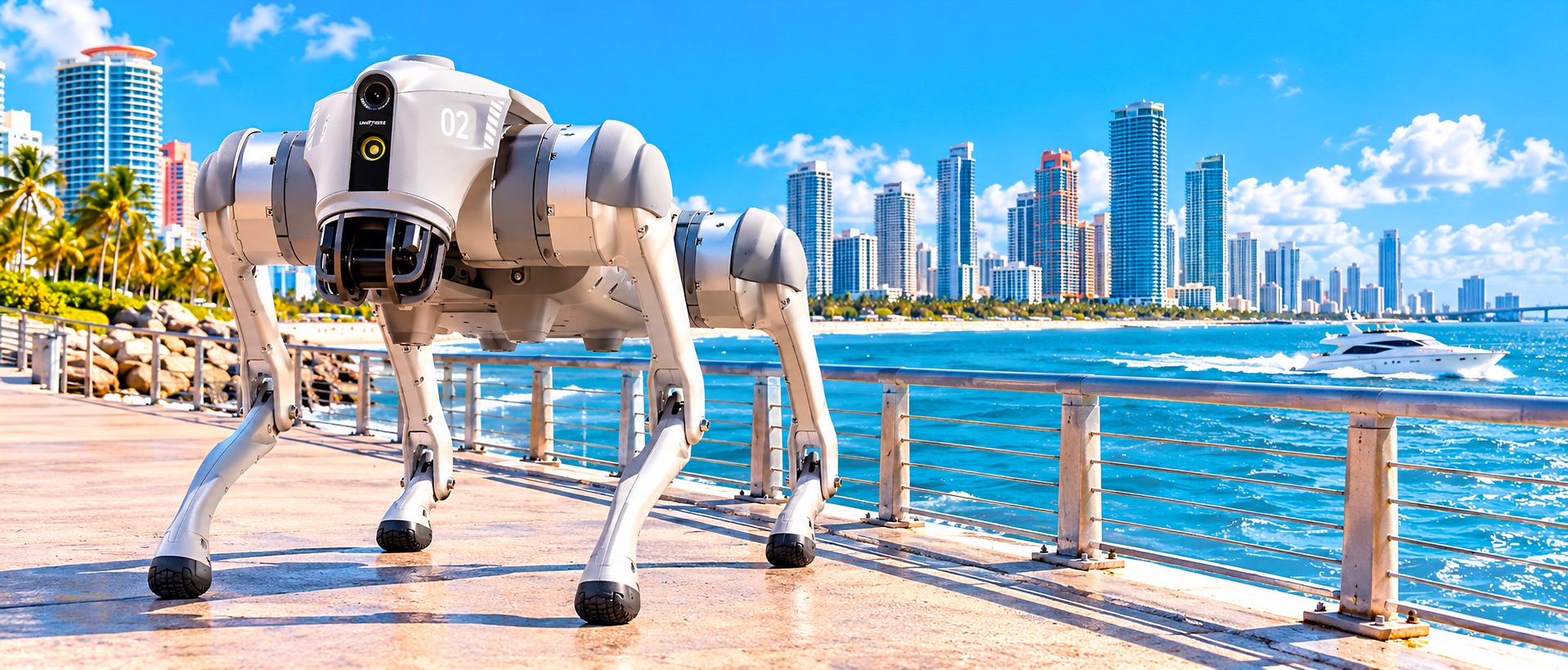
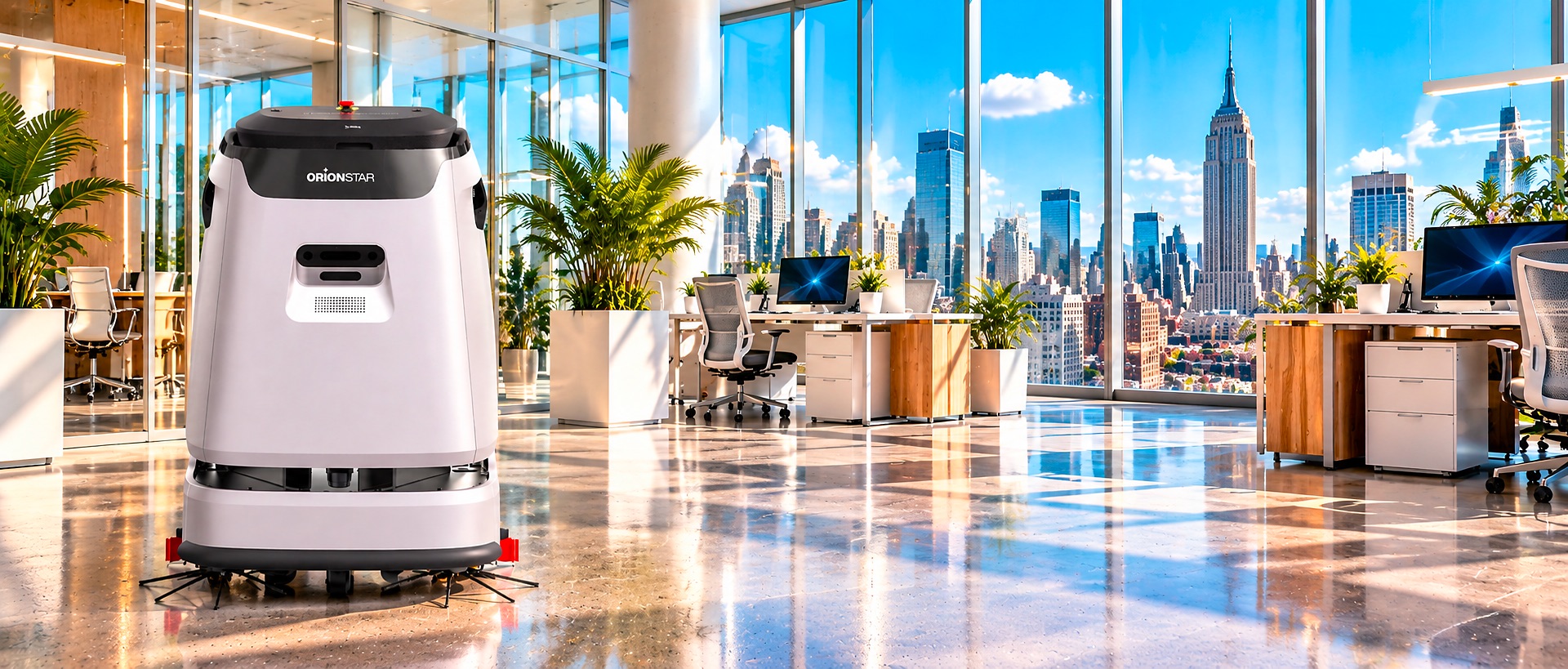
Ground robots and quadrupeds are useful when mobility, remote presence, and sensor payloads are central to the job. Collaborative robots are often considered when facilities need flexible automation near existing staff and equipment. Autonomous mobile robots can be valuable where material movement consumes skilled labor or creates traffic inside warehouses and production spaces. Service, cleaning, security, and education robots can support campuses, public facilities, hospitals, schools, hotels, venues, and research labs.
Deployment planning in New Jersey
A successful robotics project normally starts with the task, not the robot. Teams should define the workflow, site constraints, safety requirements, communications coverage, environmental exposure, operator responsibilities, and measurable business result. For New Jersey, that planning should include local conditions such as dense logistics corridors, regulated labs, coastal assets, traffic constraints, and high-throughput facilities.
Important questions include: Will the robot operate indoors, outdoors, or both? Does it need stairs, slopes, gravel, snow, heat, humidity, dust, salt air, or low-light capability? Will it carry cameras, thermal sensors, gas sensors, LiDAR, manipulators, cleaning modules, or custom payloads? Does the site require remote operation, fleet management, maps, API integration, data export, cybersecurity review, or documented training?
Buying guidance
Robots USA can help compare robot categories, identify practical options, and match systems to applications in New Jersey. For commercial and public-sector buyers, the most useful conversation usually includes the site type, task description, expected duty cycle, environment, budget range, timeline, and any required payloads or integrations.
For education and research buyers, the selection process may focus more on openness, software access, documentation, curriculum fit, replacement parts, and the ability to support experiments over several semesters or project cycles. For industrial buyers, uptime, safety review, serviceability, spare parts, payload compatibility, and integration with existing processes are usually the deciding factors.
Next step
If you are evaluating robots in New Jersey, use this category as a starting point for robotics options suited to local operations. Share the application, environment, and desired outcome, and the Robots USA team can help narrow the field to practical systems for inspection, automation, logistics, public safety, research, service, education, or field deployment.