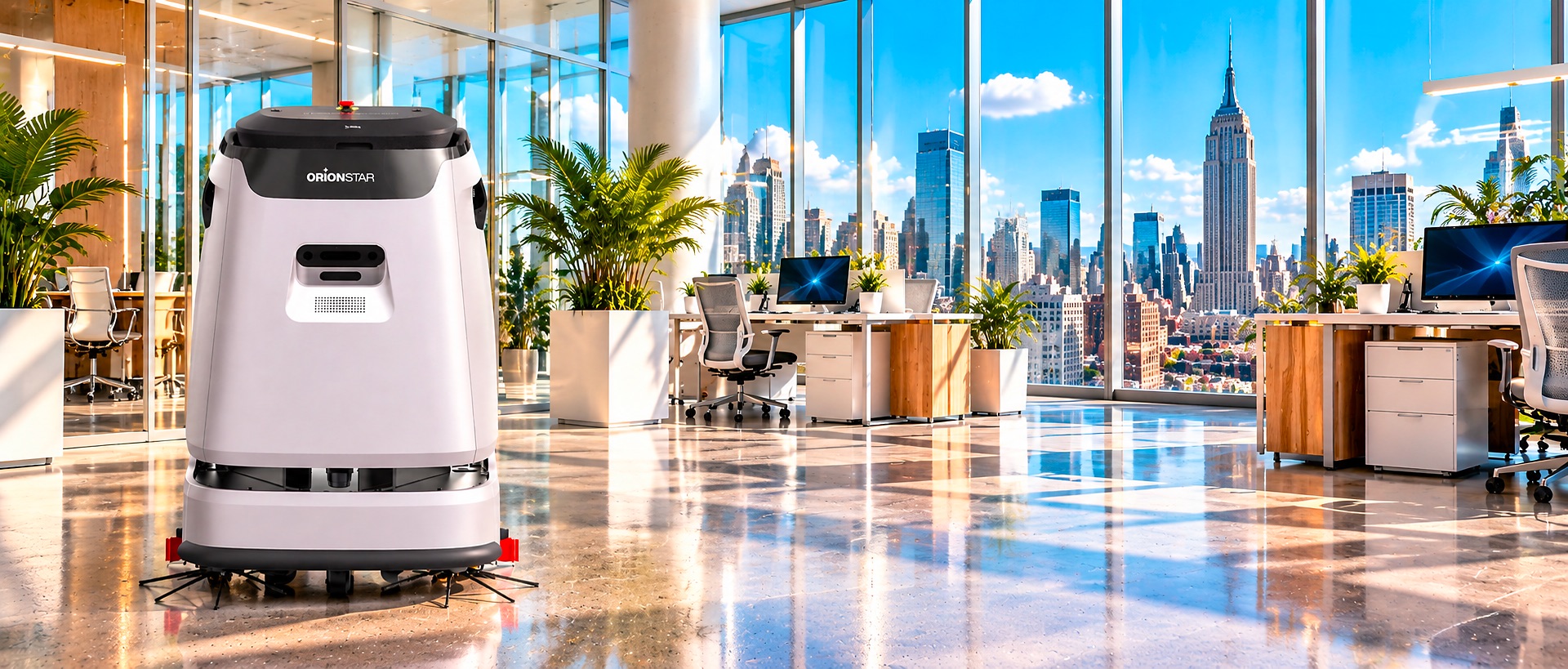
Pudu PUDU T300 Conveyor-D (PUDU T300 Conveyor-D)

In stock
- BRAND:
- PUDU ROBOTICS
- PART #:
- PUDU T300 Conveyor-D
- ORIGIN:
- China
- AVAILABILITY:
- SUBJECT TO AVAILABILITY
- SKU:
- Pudu-PUDU-T300-Conveyor-D
Pudu PUDU T300 Conveyor-D (PUDU T300 Conveyor-D)
Bolting a conveyor to the floor is a bet that the layout will never change. Lines get rebalanced, a new cell arrives, packing moves to the far side of the building, and the steel that made sense last year becomes something everyone walks around. The Pudu PUDU T300 Conveyor-D takes the opposite bet. It puts a powered conveyor deck on an autonomous mobile base, so the transfer point travels to wherever the work is today and can be rerouted in software when the floor plan moves again.
Robots USA sells and supplies the PUDU T300 Conveyor-D to manufacturers, warehouses and logistics operators. Robots USA prepares your quotation, confirms which version and conveyor setup matches your stations, arranges delivery to your facility and remains your support contact once the robot is running shifts.
Background
PUDU ROBOTICS: from service floors to factory floors
PUDU ROBOTICS is best known for autonomous robots that work in public-facing spaces: delivery robots in restaurants and hotels, cleaning robots in offices, airports and retail. That background matters here. A robot that can thread through a lunch rush without bumping a guest has already solved much of the navigation and obstacle-avoidance problem an industrial floor presents. The T300 series takes that know-how into production halls and storage areas, where loads are heavier, routes repeat all day and safety expectations are set by industrial standards rather than hospitality norms. You can see the wider range on our Pudu category page.
A conveyor deck on an industrial base
Most autonomous mobile robots carry a load and wait for a person to unload it. The Conveyor-D configuration closes that loop: the deck itself moves the load on and off, so the robot can dock at a line end, receive a tote or carton, drive to the next station and discharge it without human handling. Per the published material, the T300 series meets ISO 3691-4 guidelines for industrial vehicles, and the conveyor version adds integrated PLC communication that can trigger automated pickup and delivery notifications. The sources describe two versions, a Single Layer Version and a Double Layer Version; which one is supplied under this listing is confirmed with you at quotation.
Technical Specifications
| Specification | T300 Conveyor Single Layer Version | T300 Conveyor Double Layer Version |
|---|---|---|
| Number of layers | Single layer (per version name) | 2 |
| Machine weight | 265 lbs (120 kg) | 397 lbs (180 kg) |
| Rated load per layer | 176 lbs/layer, 80 kg/layer | 176 lbs/layer, 80 kg/layer |
| Dimensions (front/rear) | 32.9×26.2×53.1 in (835*665*1350 mm) | 32.9×26.2×53.1 in (835*665*1350 mm) |
| Dimensions (left/right) | 32.9×25.6×53.1 in (835*650*1350 mm) | 32.9×25.6×53.1 in (835*650*1350 mm) |
| Conveyor depth | 25.6 in (650 mm) | 25.6 in (650 mm) |
| Conveyor width | 4.7–21.3 in (120-540 mm) adjustable | 4.7–21.3 in (120-540 mm) adjustable |
| Conveyor height | Ground clearance ≥ 12 in (305mm) | Ground clearance ≥ 12 in (305mm) |
| Run-time (no load) | Confirmed at quotation | 10 h |
| Run-time (full load) | Confirmed at quotation | 8 h |
| Path clearance | 29.5 in (75 cm) | 29.5 in (75 cm) |
| Docking accuracy | ±0.4 in (±10 mm), ±1° | ±0.4 in (±10 mm), ±1° |
| Charging time | 2 h(0-90%) | 2 h(0-90%) |
| Safety standard | Meets ISO 3691-4 guidelines for industrial vehicles (T300 series) | Meets ISO 3691-4 guidelines for industrial vehicles (T300 series) |
| Connectivity | Integrated PLC communication for pickup/delivery notifications | Integrated PLC communication for pickup/delivery notifications |
| Battery capacity | Not published | Not published |
| Conveyor module weight | Not published | Not published |
| IP rating | Not published | Not published |
| Operating temperature | Not published | Not published |
| Conveyor belt speed | Not published | Not published |
| What is in the box | Not published | Not published |
All figures come from a single published specification, values listed without a version split are shown for both versions, and every item, including the unpublished ones, is confirmed against the manufacturer's datasheet at quotation.
What is the difference between the Single Layer and Double Layer Version?
The split is about capacity per trip versus mass and endurance. Per the published specification, both versions share the same rated load per layer, 176 lbs/layer (80 kg/layer), so the Double Layer Version's advantage is simply a second deck: two loads, or two separate orders, can travel together and be discharged at different stations. That extra deck comes with extra weight. The Double Layer Version is listed at 397 lbs (180 kg), against 265 lbs (120 kg) for the Single Layer Version.
Endurance is the other side of the trade. The Double Layer Version is reported to run 10 h with no load and 8 h at full load. The fact sheet we work from does not state run-time for the Single Layer Version, so we confirm that figure with you at quotation rather than guess. With a reported charge time of 2 h(0-90%), either version can be planned around shift breaks, but your actual duty cycle should be checked against the confirmed figures before you size a fleet.
How does the PUDU T300 Conveyor-D connect to existing lines?
Two published features carry most of the integration story. First, docking accuracy is reported at ±0.4 in (±10 mm), ±1°, which is the tolerance that decides whether a carton rolls cleanly from a fixed conveyor onto the robot's deck or hangs on the edge. Second, integrated PLC communication lets the robot exchange pickup and delivery notifications with line controls, so a station can call the robot when a load is ready and the robot can signal when it has arrived or completed a hand-off.
Physical fit matters too. The conveyor width adjusts across 4.7–21.3 in (120-540 mm), the deck depth is listed at 25.6 in (650 mm), and ground clearance at the conveyor is given as at least 12 in (305mm), all per the published specification. Aisles need to respect the stated path clearance of 29.5 in (75 cm). Conveyor belt speed has not been published by the manufacturer; it is confirmed at quotation, together with the transfer height of your existing equipment.
Who is the PUDU T300 Conveyor-D for?
The clearest fit is a manufacturing plant with repeated transfers between fixed points: line ends to inspection, assembly cells to packing, machining to a buffer zone. If people spend their shifts pushing carts between conveyors, this robot targets exactly that work. Electronics, consumer goods and component plants that move totes rather than pallets are natural candidates, given the per-layer load rating.
Warehouses and fulfillment operations form the second group, particularly sites that already run conveyor sections and want to link them without adding more fixed steel. Operators expecting frequent layout changes, seasonal peaks or new product lines gain the most, because a route change is a software edit rather than a construction project.
Within those groups, version choice follows volume. Sites that move one load at a time and value a lighter machine lean toward the Single Layer Version; sites that want two loads per trip lean toward the Double Layer Version. If your project is in hospitality or commercial cleaning rather than intralogistics, browse the Pudu range for robots built for those environments.
What is the PUDU T300 Conveyor-D used for?
- Line-to-line transfer: carries totes between the end of one production line and the start of another with automatic hand-off at both ends.
- End-of-line takeaway: clears finished goods from a line end to staging or packing so the line never backs up.
- Workstation feeding: delivers parts or kits to assembly stations when a PLC signal says stock is needed.
- Inspection loops: shuttles samples or batches from production to quality control and back.
- Warehouse conveyor bridging: links separate conveyor sections across aisles where a fixed connection would block traffic.
- Multi-drop runs: on the Double Layer Version, carries two loads in one trip and discharges each at a different station.
Pricing and Availability
Robots USA prices the PUDU T300 Conveyor-D by quotation, because the right offer depends on the version, the number of robots, your station layout and the integration work involved. Tell us about your transfer points, load types and shift pattern, and we will confirm the configuration and the datasheet figures that apply. Delivery, customs and support are arranged with the quotation. To start the process, the quotation request for the PUDU T300 Conveyor-D is available on this page.
Frequently Asked Questions
Which version of the T300 Conveyor should I choose?
The Single Layer Version is lighter, at a reported 265 lbs (120 kg), while the Double Layer Version adds a second deck at a reported 397 lbs (180 kg). Choose based on how many loads you want to move per trip; Robots USA confirms the version at quotation.
How much can the robot carry?
The published rated load is 176 lbs/layer, 80 kg/layer. This figure comes from a single source and is confirmed against the datasheet at quotation.
How long does it run on a charge?
The Double Layer Version is reported at 10 h with no load and 8 h at full load, with a 2 h(0-90%) charge. Single Layer run-time is not stated in our source material and is confirmed at quotation.
How precisely does it dock at a conveyor?
Docking accuracy is published as ±0.4 in (±10 mm), ±1°. We recommend verifying this against the transfer height and alignment of your existing equipment during project planning.
Does it meet industrial safety standards?
Per the published material, the T300 series meets ISO 3691-4 guidelines for industrial vehicles. Documentation for your site's safety review is confirmed at quotation.
What specifications have not been published?
The manufacturer has not published battery capacity, conveyor module weight, IP rating, operating temperature, conveyor belt speed or the contents of the box. Each of these is confirmed at quotation.
Where can I buy the Pudu PUDU T300 Conveyor-D and what does it cost?
You can buy it from Robots USA, which supplies, delivers and supports the robot. Cost depends on version, quantity and integration scope, so it is provided by quotation on request.
Summary
A fixed conveyor commits you to today's floor plan; the PUDU T300 Conveyor-D lets the transfer move with the operation. It pairs the navigation experience of PUDU ROBOTICS with a powered deck, a reported docking accuracy of ±0.4 in (±10 mm), ±1° and PLC communication, so loads leave one station and arrive at the next without anyone lifting them. Two versions trade weight against capacity per trip, and the figures still missing from the published specification are settled at quotation with Robots USA. If you are ready to replace cart runs with automated transfers that can follow your layout wherever it goes next, this page is the starting point.